In today’s economy, finding ways to save money on everyday expenses is more critical than ever. One effective method to reduce costs while contributing to environmental conservation is through energy-saving rebates. These rebates provide financial incentives to homeowners and businesses to adopt energy-efficient practices and technologies. By understanding how these programs work and taking advantage of them, significant savings can be realized without compromising comfort or efficiency.
Understanding Energy Saving Rebates
Energy-saving rebates are financial incentives offered by governments, utility companies, and other organizations to encourage the adoption of energy-efficient appliances and practices. These rebates can significantly lower the cost of purchasing and installing energy-efficient products, making them more accessible to a wider audience.
Types of Energy-Saving Rebates
- Appliance Rebates: These are offered for upgrading to energy-efficient appliances like refrigerators, washing machines, and air conditioners.
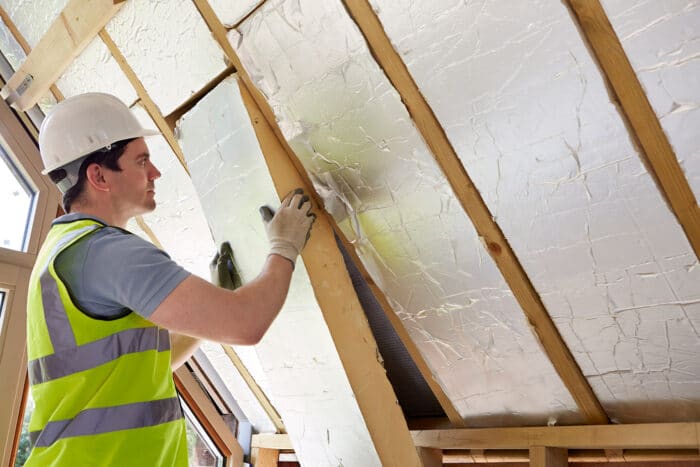
- Home Improvement Rebates: Rebates for insulation, windows, and heating systems that reduce energy consumption.
- Renewable Energy Rebates: Incentives for installing solar panels or wind turbines.
To make the most of these opportunities, discover expert strategies here for selecting the right rebates for your home or business.
Steps to Access Energy Saving Rebates
Accessing energy-saving rebates involves a series of straightforward steps. By following these guidelines, individuals can maximize their savings and contribute to a greener environment.
Research Available Rebates
- Visit government and utility company websites to identify available rebate programs.
- Contact local energy efficiency organizations for additional information and assistance.
- Utilize online resources to learn about our tailored solutions that match your specific needs.
Purchase Eligible Products
- Ensure that the products you purchase qualify for rebates by checking with the rebate provider.
- Look for Energy Star ratings or other certifications that indicate energy efficiency.
Submit Rebate Applications
- Gather necessary documentation, such as receipts and proof of purchase.
- Complete the rebate application accurately and submit it promptly to avoid missing deadlines.
- Follow up with the rebate provider if necessary to ensure your application is processed.
Maximizing Benefits from Energy Saving Rebates
While securing rebates can result in immediate savings, the long-term benefits of adopting energy-efficient practices are substantial. These benefits extend beyond financial savings, contributing to environmental sustainability and enhancing quality of life.
Long-term Savings and Environmental Impact
- Reduced energy bills due to lower consumption.
- Decreased carbon footprint contributing to environmental preservation.
- Improved home comfort with advanced, energy-efficient technologies.
For more detailed insights and advanced guidance on maximizing these benefits, explore advanced guides and tips.
Staying Updated with Energy-Saving Trends
- Regularly check for new rebate programs and updates to existing ones.
- Stay informed about emerging energy-efficient technologies and solutions.
- Engage with communities and forums that focus on energy-saving practices to share knowledge and experiences.
To stay ahead in this ever-evolving field, find out more about this approach and keep your energy-saving strategies up-to-date.
In conclusion, energy-saving rebates offer a practical pathway to reduce expenses and promote sustainability. By actively participating in these programs and adopting energy-efficient practices, individuals and businesses can achieve substantial financial savings and contribute positively to the environment.
