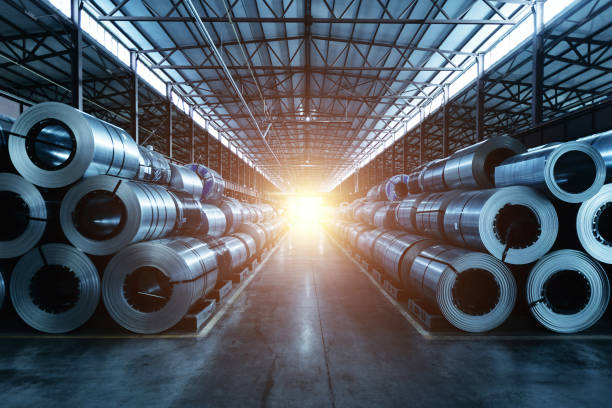
The art of alloy steel plate rolling is a sophisticated process that demands precision, expertise, and a deep understanding of material properties. As industries continue to advance, the demand for high-quality rolled steel plates increases, pushing the boundaries of what is technically feasible. Mastering the techniques involved in this process is crucial for delivering consistent and reliable products that meet stringent industry standards.
Understanding Alloy Steel Plate Rolling
Alloy steel plate rolling involves transforming flat plates into curved or cylindrical shapes. This process is essential in manufacturing components for various industries, including construction, automotive, and aerospace. The ability to roll steel plates accurately and efficiently is dependent on several factors:
- Material Composition: Understanding the properties of the alloy plate being used is crucial for successful rolling.
- Equipment Calibration: Proper calibration of rolling machinery is necessary to achieve the desired plate curvature.
- Operator Skill: Expertise and experience of the operators play a significant role in the quality of the rolled product.
Techniques for Effective Steel Plate Rolling
Mastery of steel plate rolling requires a combination of advanced techniques and innovative approaches. Here are some key techniques employed by industry professionals:
Pre-bending
Pre-bending is a technique that ensures the edges of the plate align perfectly, minimizing defects. This step is critical for achieving uniformity in the final product.
Three-Roll and Four-Roll Machines
Using either three-roll or four-roll machines can significantly impact the rolling process. These machines allow for precise control over the rolling process, leading to better quality outcomes. The choice between the two depends on the specific requirements of the project.
Redi-plate Service
Incorporating redi-plate service options can streamline the manufacturing process. This service offers pre-fabricated plate options that reduce time and enhance efficiency in production.
The Role of Technology in Plate Rolling
Advancements in technology have revolutionized the way steel plates are rolled. Modern equipment incorporates sophisticated features that enhance precision and reduce manual errors. Some technological advancements include:
- Automated Controls: Automation allows for precise control over the rolling process, improving consistency and productivity.
- Advanced Sensors: Sensors help in monitoring the process in real-time, ensuring that all parameters remain within the desired range.
Choosing the Right Supplier
Selecting a reliable supplier is crucial for obtaining high-quality rolled steel plates. Look for stainless steel plate distributors with a proven track record of excellence and adherence to industry standards. Reliable distributors offer:
- Consistent quality in material and processing.
- Efficient delivery schedules to meet project timelines.
- Comprehensive technical support and customer service.
Conclusion
Mastering the art of alloy steel plate rolling is an ongoing journey that requires dedication to quality and innovation. By understanding the complexities involved and leveraging advanced techniques and technologies, industries can ensure the production of top-tier rolled steel plates that meet diverse application needs.
