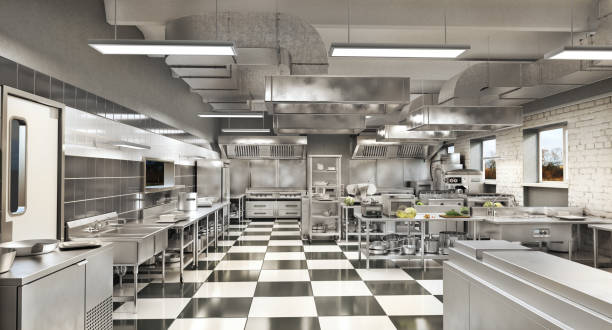
Maximizing efficiency in a commercial kitchen is a priority for any business seeking to enhance productivity while minimizing costs. The choice of equipment plays a crucial role in achieving these goals. Investing in reliable used commercial kitchen gear can be a strategic move to balance quality with budget considerations. This article explores how selecting refurbished kitchen equipment can optimize operations, provide substantial cost savings, and maintain high culinary standards.
Advantages of Used Commercial Kitchen Equipment
Purchasing used commercial kitchen equipment offers a multitude of benefits that can transform the operational effectiveness of a restaurant or catering business. Here are some key advantages:
- Cost-Effectiveness: Used equipment is significantly cheaper than new, allowing for reduced initial investment.
- Depreciation Benefits: New equipment depreciates quickly; used equipment retains more of its value over time.
- Immediate Availability: Used equipment is often ready for immediate purchase and installation, reducing downtime.
- Environmental Impact: Buying second-hand minimizes waste and supports sustainability initiatives.
For more insights and strategies on integrating used equipment into your kitchen, discover expert strategies here.
Key Considerations When Selecting Used Equipment
Choosing the right used equipment requires careful consideration to ensure it meets the operational demands and quality standards of a commercial kitchen. Below are essential factors to evaluate:
Condition and Quality
Assessing the condition and quality of equipment is paramount. Look for:
- Inspection Reports: Obtain maintenance and inspection records to verify equipment condition.
- Brand Reputation: Established brands often provide reliable and durable products.
- Functionality Tests: Perform tests to ensure all components are operational.
To explore advanced guides and tips on evaluating used kitchen gear, explore advanced guides and tips.
Compatibility and Space
Ensuring compatibility with existing kitchen layouts and operations is critical:
- Space Requirements: Measure available space to ensure the equipment fits seamlessly.
- Operational Flow: Consider how the equipment integrates with current processes.
- Utility Connections: Verify compatibility with existing gas, water, and electrical connections.
For more nuanced approaches to fitting used equipment into established kitchen environments, find out more about this approach.
Maintenance and Longevity
Ensuring the longevity of used kitchen equipment is pivotal to maximizing return on investment. Regular maintenance can prevent breakdowns and extend the lifespan of equipment:
- Routine Cleaning: Establish a regular cleaning schedule to prevent wear and tear.
- Professional Servicing: Engage professionals for routine checks and servicing.
- Replacement Parts: Source and stock replacement parts to avoid disruptions in case of equipment failure.
To learn about tailored solutions for maintaining used kitchen equipment, learn about our tailored solutions.
Conclusion
Embracing used commercial kitchen equipment can be a strategic, cost-effective choice that supports sustainability while meeting the high demands of a bustling kitchen. By focusing on quality, compatibility, and maintenance, businesses can unlock significant efficiencies and optimize their operations. Whether starting a new venture or upgrading existing facilities, considering refurbished gear is a viable option that aligns financial prudence with operational excellence. For further guidance on integrating used kitchen equipment, explore advanced guides and tips.
