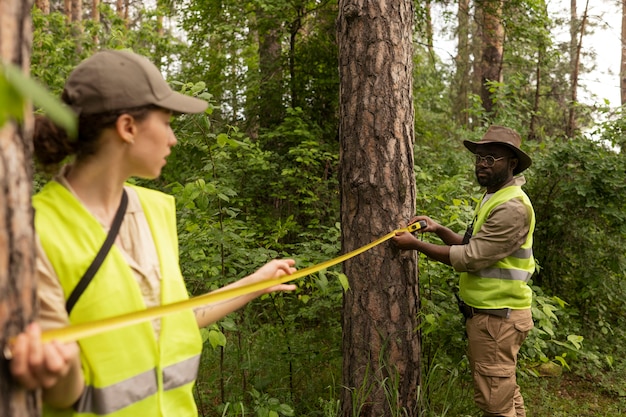
Wildlife preservation is an essential aspect of maintaining a healthy ecosystem. It involves protecting animal species and their habitats to ensure biodiversity and ecological balance. With increasing human activities, habitats are being destroyed, leading to a decline in wildlife populations. This not only threatens the species themselves but also disrupts the intricate networks within ecosystems that sustain plant and animal life. Hence, understanding and implementing effective wildlife preservation strategies is crucial for the future of our planet.
The Role of Wildlife in Ecosystems
Wildlife plays a pivotal role in maintaining ecological balance. Various species are interdependent, forming complex food webs that ensure the survival of different life forms. Here are some ways in which wildlife contributes to ecosystem health:
- Pollination: Birds, bees, and other insects are essential for pollinating plants, which is crucial for food crop production and maintaining plant biodiversity.
- Pest Control: Predators such as birds, bats, and insects help control pest populations, reducing the need for chemical pesticides.
- Decomposition: Decomposers like fungi and certain insects break down dead organic matter, recycling nutrients back into the soil.
- Seed Dispersal: Animals such as birds and mammals spread seeds, aiding in plant reproduction and forest regeneration.
For more insights into how wildlife influences ecosystems, explore advanced guides and tips available online.
Threats to Wildlife and Their Consequences
Habitat Destruction
One of the most significant threats to wildlife is habitat destruction. Urbanization, deforestation, and agriculture expansion lead to the loss of natural habitats, forcing species to migrate or face extinction. Learn about tailored solutions to minimize habitat destruction by visiting this resource.
Climate Change
Climate change affects temperature and weather patterns, impacting the natural habitats of numerous species. As a result, many animals struggle to survive in their altered environments, leading to decreased biodiversity.
Poaching and Illegal Trade
Illegal hunting and trade of wildlife pose a significant threat to many species. It disrupts population dynamics and can lead to the extinction of endangered species.
For more details on addressing these challenges, discover expert strategies here.
Conservation Strategies
Implementing effective conservation strategies is imperative to preserve wildlife and maintain ecosystem health. Some effective strategies include:
- Protected Areas: Establishing national parks and reserves provides safe havens for wildlife, allowing them to thrive without human interference.
- Sustainable Practices: Encouraging sustainable agriculture and forestry practices helps minimize habitat destruction.
- Community Involvement: Engaging local communities in conservation efforts ensures sustainable and long-term success.
- Legislative Measures: Enforcing laws against poaching and illegal trade is crucial for wildlife protection.
Find out more about this approach and how it can be implemented effectively by visiting this page.
Engaging the Public
Public awareness and involvement are key to successful wildlife conservation. Encouraging individuals to engage in conservation efforts can have a significant impact. Here are some ways the public can contribute:
- Education: Raising awareness about the importance of biodiversity and conservation can inspire action.
- Volunteering: Participating in local conservation projects can directly benefit wildlife.
- Supporting Conservation Organizations: Donations and support help fund conservation projects and research.
Check out customer reviews here to see what others are saying about successful conservation efforts.
In conclusion, wildlife preservation is an essential component of a healthy ecosystem. By understanding the role of wildlife and implementing effective conservation strategies, the balance of nature can be maintained, ensuring a sustainable future for all living organisms. Learn about our tailored solutions for protecting wildlife and preserving ecosystems.
