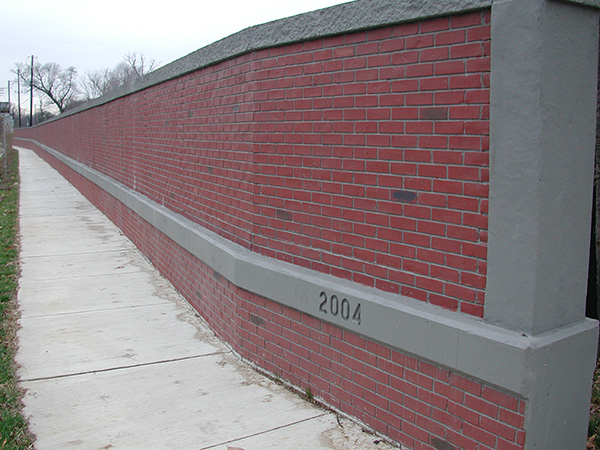
The construction industry has witnessed remarkable innovations over the years, with formliner patterns emerging as a revolutionary solution for adding aesthetic appeal to concrete structures. These patterns allow architects and engineers to realize creative visions, transforming ordinary concrete into visually captivating surfaces. As the demand for aesthetically pleasing and functional infrastructure grows, the use of formliner patterns becomes an essential aspect of modern construction projects.
The Role of Formliner Patterns in Modern Architecture
Formliner patterns play a pivotal role in modern architecture, allowing for the creation of unique textures and designs on concrete surfaces. These patterns are used to imprint textures into concrete, offering a versatile array of design possibilities that cater to both functional and artistic needs.
- Enhancing aesthetic appeal: By using formliner patterns, architects can bring a new dimension to concrete surfaces, adding depth and character.
- Versatility: Whether replicating the look of natural materials like wood and stone or creating intricate custom designs, the possibilities are endless.
- Cost-effective: Compared to traditional methods of texturing concrete, formliner patterns provide a more cost-effective solution without compromising on quality.
Innovative Applications of Concrete Form Liner Patterns
The versatility of concrete form liner patterns extends beyond aesthetic enhancements. They are utilized in various sectors, demonstrating their adaptability and functional benefits.
Transportation Infrastructure
In the transportation sector, formliner patterns are used to add visual elements to bridges, tunnels, and retaining walls. This not only improves the appearance but also contributes to the structural integrity by reducing wear and tear.
Urban Landscaping
Urban landscaping projects benefit greatly from the use of formliners. They are used to create visually appealing public spaces such as parks, plazas, and pedestrian zones, enhancing the overall urban environment.
Commercial and Residential Buildings
In commercial and residential construction, formliner patterns are instrumental in creating distinctive fa??ades and interiors that stand out. They help in establishing a brand identity for commercial enterprises while providing a unique living experience in residential settings.
Environmental Considerations and Sustainability
As sustainability becomes a key consideration in construction, formliner patterns offer an eco-friendly alternative. By reducing the need for additional materials and finishes, they contribute to sustainable building practices. Moreover, the durability and longevity of textured concrete reduce the need for frequent repairs and replacements.
- Reduced material usage: Formliner patterns eliminate the need for additional cladding or finishes.
- Durability: Textured concrete is less prone to damage, extending the lifespan of structures.
- Energy efficiency: The thermal mass of concrete can be utilized for passive solar heating, improving energy efficiency.
The Future of Formliner Patterns in Construction
The future of construction is intertwined with the use of innovative materials and techniques like formliner patterns. As digital technology advances, the precision and complexity of these patterns will continue to evolve, offering even more sophisticated and personalized design options.
Emerging trends indicate a shift towards more custom-designed patterns, tailored to specific project needs. This customization allows architects and designers to push the boundaries of creativity, resulting in structures that are not only functional but also visually stunning.
In conclusion, the use of formliner patterns is a testament to the dynamic nature of the construction industry. By embracing these patterns, architects and builders can create environments that inspire and captivate, meeting the demands of modern architecture while adhering to sustainable practices.
